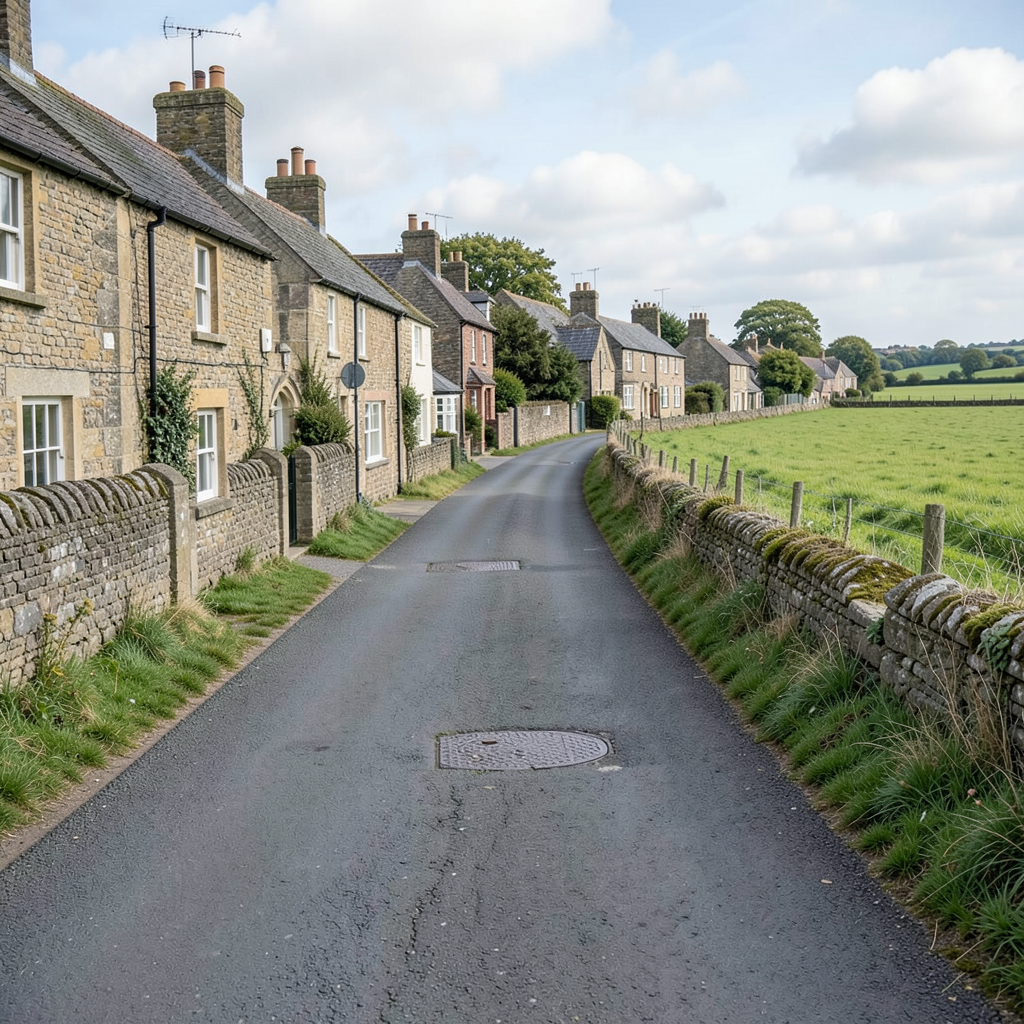

A proposal to examine the feasibility of establishing a uniform 30mph speed limit across villages in East Sussex has received unanimous backing from county councillors.
East Sussex County Council debated the motion during its meeting on Tuesday, with members voting in favour of instructing the authority to explore implementing a countywide 30mph maximum speed limit applicable to villages, hamlets and other smaller settlements throughout the area.
The motion was put forward by Reform UK councillor Mark Ashdown, who advocated for what he described as a straightforward approach to speed limit regulation.
According to his reasoning, drivers on motorways instinctively understand applicable speed restrictions without requiring visible signage, and he contended that settlements should operate under the same principle with a consistent 30mph limit across the county.
Councillor Ashdown had previously expressed concerns regarding the council’s existing methodology for establishing speed limits, suggesting that current practices extend considerably beyond minimum legal requirements and could potentially be simplified.
Through his motion, he proposed that the council’s Place Scrutiny Committee alongside the cabinet member responsible for transport should undertake consideration of the matter.
Council officers, however, outlined several reservations about the approach outlined in the motion.
Their analysis indicated that implementing such a change would represent a deviation from central government guidance and might necessitate substantial financial commitment.
A briefing document prepared by officers identified 24 roads within village locations across the county that currently operate with speed limits exceeding 30mph.
Their assessment determined that only 18 of these particular roads would probably demand supplementary traffic calming interventions to achieve the desired outcomes.
Officers estimated that the expense associated with these engineering works, combined with five additional signage-focused schemes, would probably exceed four million pounds in total.
These reservations were shared by Councillor Peter Griffiths, the council’s cabinet member responsible for transport and environment, despite his ultimate support for the underlying motion itself.
Councillor Griffiths acknowledged concerns regarding the financial implications of the proposal.
He indicated that simply replacing signage would not constitute the full extent of necessary measures and noted constraints arising from current budgetary limitations.
He expressed willingness to support the initiative provided funding sources could be identified, while suggesting that the scrutiny committee should conduct a thorough examination of the proposal before any definitive decisions were reached.
Councillor Ashdown responded to these concerns by asserting that central government guidance indicates that implementing a 30mph speed limit sign would result in compliance from the majority of road users, and he expressed doubt that physical calming measures would prove necessary in all cases.
Although the motion secured unanimous approval, both the Green and Liberal Democrat groups on the council had put forward amendments to the original proposal.
Collectively, these amendments sought to introduce a corresponding default 20mph speed limit for roads in the vicinity of educational establishments and within town centre areas, alongside provisions for evaluating new 20mph restrictions in other locations where substantial local demand existed from residents.
The amendments additionally called upon Councillor Griffiths to consider whether the proposed default 30mph limit for villages might subsequently be reduced to a lower threshold.
One amendment was initially tabled by Liberal Democrat councillor Hugh Parker, although he subsequently withdrew his proposal to allow consideration of a competing amendment put forward by Green Party councillor Charlotte Keenan.
Councillor Keenan emphasised that excessive vehicle speed and road safety matters represented the primary concerns consistently raised by residents and parish councils throughout her electoral division of Chailey.
She articulated that local residents’ requests were straightforward: the ability to walk through their villages, cross roads safely, emerge from driveways and junctions without difficulty, and permit children to travel to school without anxiety about their wellbeing.
She expressed strong support for the original motion while indicating that she, alongside Councillor Parker, believed the initial proposal did not go sufficiently far in addressing these concerns.
Councillor Ashdown declined to incorporate this amendment, characterising it as representing too significant an immediate change.
The amendment subsequently failed when subjected to a vote.
The original motion then proceeded to a successful vote, passing with the support of all members present.