
Bring up artificial intelligence to any writer, and you’ll probably see them break out in a rash.
In publishing circles, artificial intelligence is typically associated with major technology firms harvesting our content to build training datasets for machine learning systems—or with those lacking the time, talent, or motivation to write creatively themselves, employing AI to trick others into thinking they wrote something themselves.
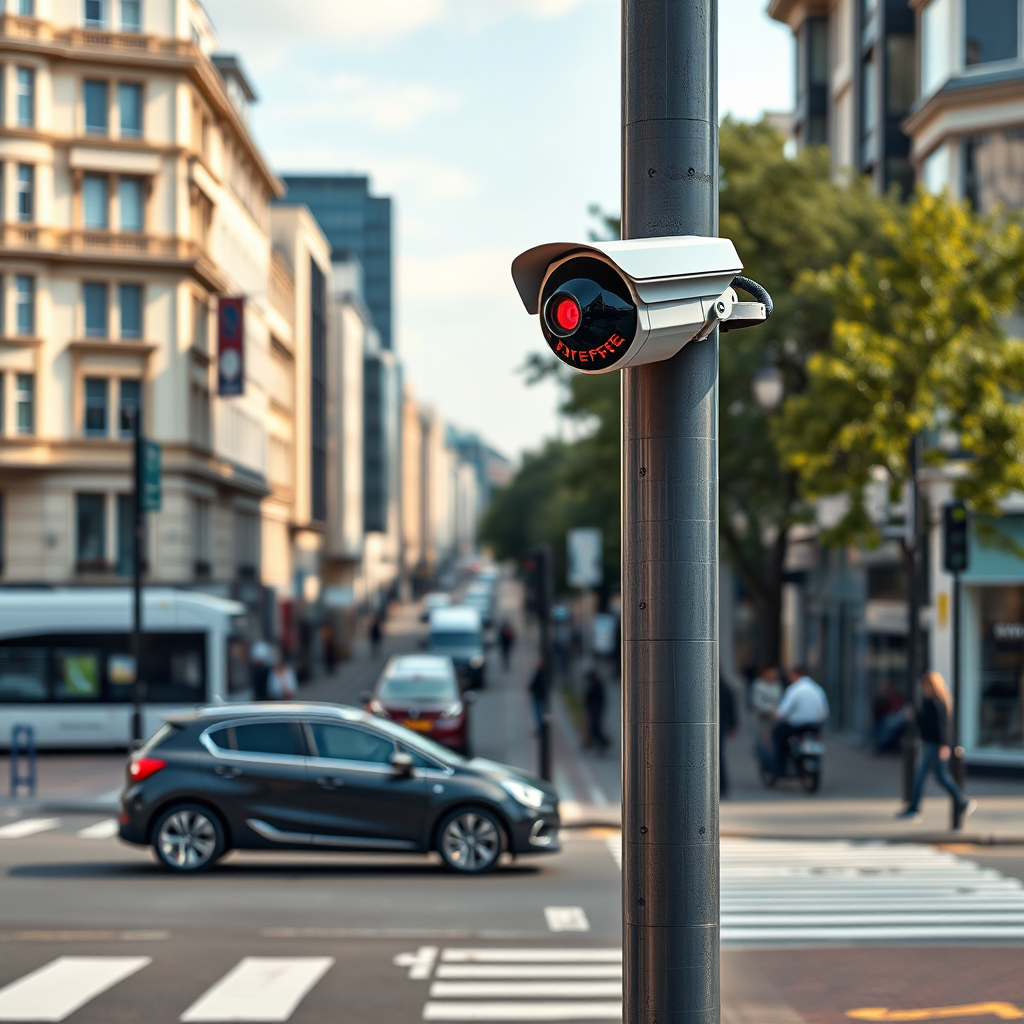
That said, I was pleased to learn that Sussex Police are deploying AI-powered road enforcement cameras designed to catch drivers using handheld mobile phones or failing to wear seatbelts, despite legislation prohibiting such behavior being in place for decades.
If you’ve experienced or witnessed a road collision, or its aftermath, or had a loved one involved in one, you don’t need me to explain the emotional toll of crashes. There’s a financial burden as well. Government statistics show that each collision in 2024 cost anywhere from £3,000 for property damage only to £324,000 for serious injury and £2.83 million for fatal outcomes. Given that Sussex averages forty-five deaths and roughly one thousand serious injuries on its roads annually, anything capable of preventing those losses, reducing the destruction, and cutting expenses must serve the public good.
Having a police officer stationed at every junction was never realistic and remains an impossible fantasy. So, since we now inhabit a world where we depend on technology for nearly everything and our activities and purchases are already digitally recorded, using artificial intelligence to discourage and identify those who selfishly disregard the law ought to be welcomed.
If the idea of employing an efficient, modern system for road safety enforcement doesn’t win you over, perhaps these figures will: over the past three years, eighty-two individuals in Sussex have been in collisions caused by mobile phone use, and two hundred fourteen people have been injured due to not wearing a seatbelt. Furthermore, Sussex’s week-long 2024 National Highways operation found three hundred thirty people not wearing seatbelts, one hundred eighteen drivers using mobile phones, and ten individuals doing both—numbers that should be both troubling and convincing.
Obviously, technology alone cannot eradicate collisions and casualties, and conventional policing will always have a role, but social pressure should as well. When I first joined the police, some people nearly admired their friends who had managed to avoid getting caught driving home from the pub after drinking heavily. Eventually, those same lawbreakers became social outcasts, and we frequently received tips or Crimestoppers calls about repeat drink drivers. We should strive for the same shift in attitude toward those who deliberately distract themselves—and rather than tolerate or simply raise eyebrows at drivers who continue using mobile phones, we should both call them out and report them.
Skeptics will always exist regarding any technological solution to law enforcement, but even the most doubtful should be reassured by understanding how this system operates. The AI simply screens those who may be violating the law by utilizing high-resolution cameras and algorithms to flag potential offenses. The anonymized images then go to two individuals for review before being forwarded to police to determine whether offenses are established and whether prosecution is appropriate. Any data before police evaluate it cannot identify a person, and by design, most images are deleted before ever reaching a human reviewer.
This isn’t a Big Brother surveillance state, nor is it redirecting resources from other traditional policing methods. It’s certainly not funded by the termination of the Street Marshal program, which is ending solely because its dedicated funding has been cut. This represents a 21st century innovative and effective approach to preserving lives and preventing the devastation caused by serious road crashes stemming from people’s selfishness and ignorance, and we should embrace it.
Graham Bartlett previously served as Brighton and Hove’s police chief and authors the Brighton-based Jo Howe crime series while also consulting for authors and television productions on writing authentic crime and policing content.