
The most recent assessment marks the second occasion in recent weeks that I’ve returned to establishments now under new management.
Last week’s Argus featured chef Charlie Simmons’ Ebb at the southern pavilion of Worthing Pier – formerly the site of Johnny Stanford’s Tern, which has since moved to Warwick Street – but today’s focus centres on Borde Hill Gardens near Haywards Heath, a location that holds significance for me both professionally and personally.
Sussex dining inevitably brings to mind Jeremy Ashpool, with whom I’ve collaborated, shared laughter, and occasionally exchanged strong words over the years.
Jeremy and his partner Vera operated Jeremy’s Restaurant and Café Elvira within the converted Victorian stables at Borde Hill for approximately a quarter of a century. Alongside long-serving head chef Jimmy Gray and the front-of-house team, they built an impressive reputation for quality, locally-sourced ingredients, integrity, service, and excellent cuisine. In my view, Jeremy remains the veteran figure of the Sussex culinary scene, but as the old saying goes, time spares no one, and he has now retired to a well-earned life of relaxation.
With this in mind, I returned to Borde Hill in mid-June to experience the newly opened Isca, under the direction of head chef Philip McEnaney and executive chef Jack Hazell.
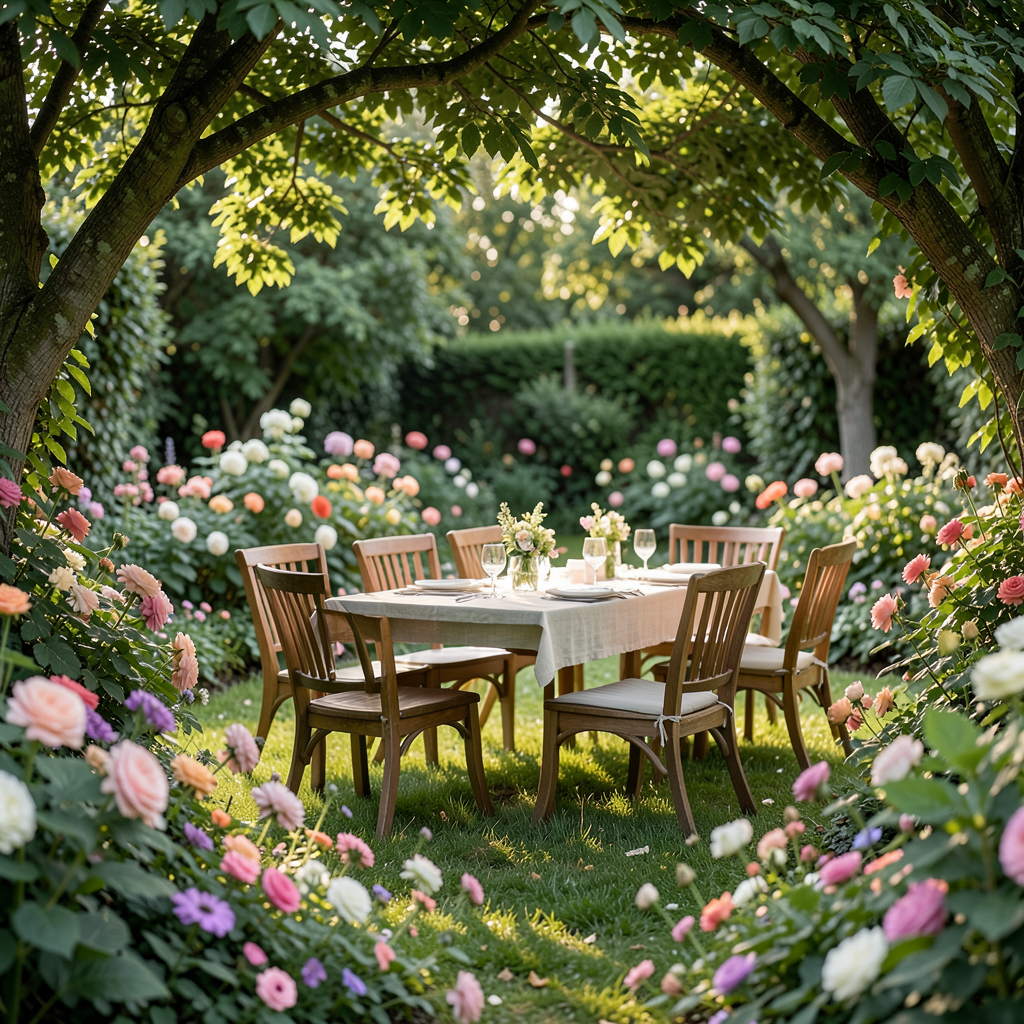
I’m certain many readers have dined at Jeremy’s previously and are aware that the walled garden and terrace have always been impressive regardless of the season. So when I say I was genuinely astounded, I am not exaggerating – and I don’t impress easily. While the duck pond, vine-covered walkway, and fruit trees remain, the area has been transformed almost beyond recognition with new landscaping, paths, and features. I was struck by how a location already so attractive could become even more so.
My companion for the day – known to Brighton networking circles as The Queen, though I’m still working on achieving Camilla status – remarked that she felt transported to southern France. Under clear skies and with a gentle summer breeze, I found it difficult to disagree.
Although my attention was immediately captured by the visually striking yet refined new glasshouse structure, The Queen and I chose the terrace for drinks while we reviewed the menu.
The establishment emphasises using estate-grown produce wherever feasible. They’ve recently established an organic market garden that is already yielding soft fruits, onions, beets, tomatoes, salad leaves, courgettes, edible flowers, and additional items. Seafood and meat are primarily sourced locally.
On the à la carte selection, starters range from ten to twenty pounds, main courses from twenty to thirty-five pounds, and desserts from ten to sixteen pounds. Side dishes cost six pounds. Additionally, there’s a rotating set lunch menu showcasing highly seasonal local ingredients – much of it cultivated or raised on the wider estate – available Thursdays and Fridays for forty-nine pounds for three courses. There’s a reasonable choice of plant-based and gluten-free options.
The Queen and I gradually made our way to our table in the remarkable dining room. ‘Remarkable’ is genuinely the appropriate term; it’s an impressive space with natural light streaming in from three sides and the ceiling establishing a connection with the surrounding garden. There’s a small seating area featuring an intimate cocktail bar and various seating arrangements including banquette seating and two-person tables, which is precisely where we settled ourselves.
To begin, I selected the roasted Orkney scallop accompanied by spicy ‘nduja and sea vegetables. It was impeccably prepared; the delicately firm, plump flesh complemented by the rich heat of the sausage. A perfect combination.
The Queen’s mushroom and malt tart with wild foraged garlic velouté proved successful. Exceptionally elegant presentation and a sophisticated layering of flavours and textures. What’s not to appreciate about wild garlic?
For my main course, I chose the stuffed courgette flower with broad beans and black olive purée. Lightly battered tempura-style courgette flower reflects current food trends and seasonal appropriateness. It possessed a notably floral quality that may not appeal to all tastes, though I found it an enjoyable and thoughtfully constructed dish.
The standout was undoubtedly The Queen’s South Downs lamb. This represents the ideal season for lamb, and although perhaps it could have been cooked slightly less for her preference, she left nothing but the rib bones.
For the final course, we opted for local selection with a board of Sussex cheeses – served at the correct temperature for once – alongside fig chutney and malt loaf. I also took a selection of truffles to share with my mother later that afternoon, which prompted expressions of delight before I sent her back to Ditchling.
As a newly opened establishment, I believe a few minor refinements remain necessary in the kitchen, which is entirely understandable for a hospitality venture of this scale and ambition.
I can confidently say that the Isca experience is extraordinary; I’m struggling to find adequate words.
While certainly more relaxed in approach – and offering à la carte rather than chef’s tasting menus – as a dining experience it approaches the distinguished calibre of venues like Gravetye Manor and Interlude at Leonardslee Gardens. I shall certainly return later this summer.
Isca, Borde Hill, Borde Hill Lane, Haywards Heath RH16 1XP
01444 441 102