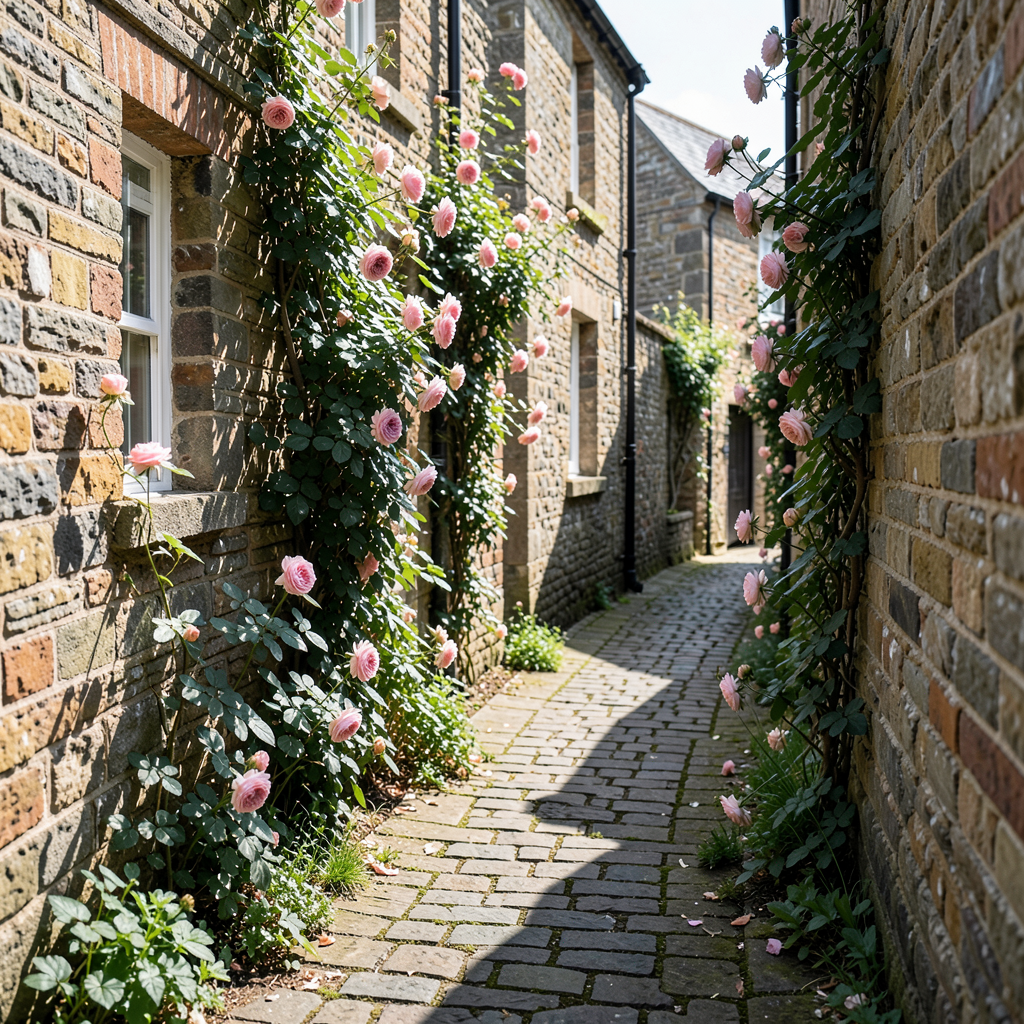

A national survey has uncovered the continued prevalence of the dialect word twitten in Sussex, with research indicating that approximately a quarter of the local adult population employs the term when referring to narrow urban pathways.
The polling organisation questioned almost 40,000 individuals throughout the United Kingdom as part of the investigation into regional linguistic variations.
The findings demonstrated that the distinctive Sussex terminology remains largely confined to that particular area of England.
Data indicates that usage rates vary considerably between the two administrative districts.
In East Sussex, the figure reaches 29 per cent, while in West Sussex the percentage drops to 19 per cent.
By contrast, residents of neighbouring Surrey and Kent utilise the expression at a rate of just two per cent.
The historical significance of the term within Sussex speech patterns has been well documented, with its application documented across towns such as Brighton and Lewes.
Historical references place the earliest usage of the word at 1798.
The novelist William Harrison Ainsworth incorporated the term into his 1860 work Ovingdean Grange, which depicted Charles II’s flight following his defeat at the Battle of Worcester.
Nationwide, the research identified that 84 per cent of adults throughout Great Britain favour the terms alley or alleyway when describing such thoroughfares, while 31 per cent utilise the word passage.
Regional variations were found to be pronounced across northern areas, where 14 per cent of inhabitants employ the word ginnel.
This figure rises substantially in West Yorkshire, where 59 per cent of residents use the term, and in Greater Manchester, where the percentage stands at 51.
Populations in Yorkshire show a preference for snicket, while cut appears in the North East and entry is common on Merseyside.
Residents of the East Midlands frequently use jitty.
In Hull, locals refer to tenfoot or eightfoot, and 41 per cent of Scottish respondents indicated use of the word close.