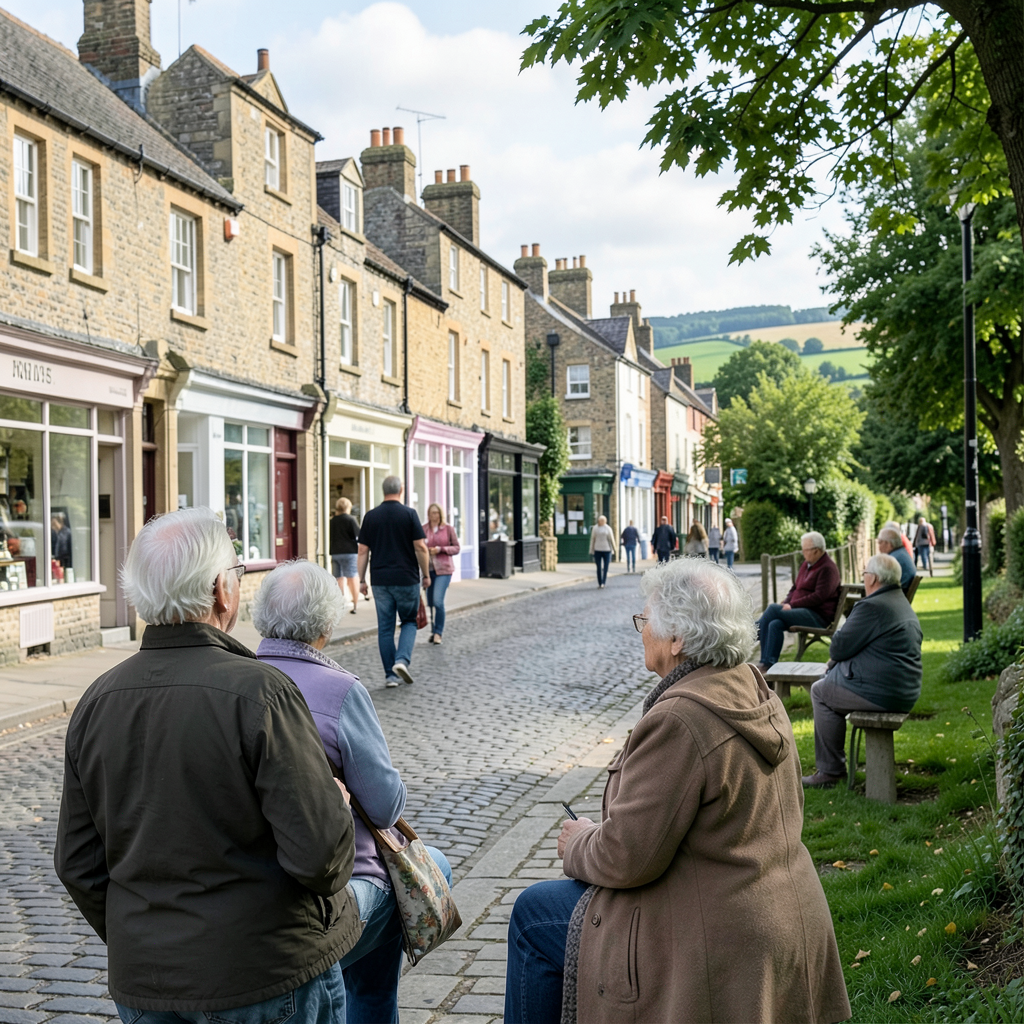

Lewes, a historic market town in East Sussex, has been selected as one of eight British towns considered among the most welcoming locations for retirement.
The ranking was produced by the travel website World Atlas, whose assessment focused on peaceful surroundings, friendly residents and opportunities for a relaxed community life.
The town was included because it combines historic character with outdoor amenities and an active social scene.
Cobbled lanes contain independent businesses and street markets, while the River Ouse passes through the central area.
World Atlas also identified nearby Pells Pool, described as the oldest freshwater pool in the UK, and Pells Lake, where fishing is available.
Sporting facilities also formed part of the recognition.
Lewes FC and the centrally situated Dripping Pan give supporters and other sports enthusiasts places to participate and socialise.
The annual Lewes Bonfire Night was singled out as a distinctive tradition that brings the town’s residents together.
Its observance commemorates both the 1605 Gunpowder Plot and the Seventeen Protestant Martyrs of Lewes.
Regular markets and access to Lewes Golf Course were further credited with strengthening the town’s community life.
Lewes had previously been named one of England’s most hospitable places by World Atlas, having been praised for its close-knit character and calendar of community activities, including markets and events held in pubs.
Beyond retirement considerations, Lewes provides a broad range of attractions for residents and visitors.
Visit South East England has described the settlement as an attractive county town that combines distinctive Sussex character with unusual and intriguing features.
Independent retailers, antique businesses and unconventional boutiques make it a destination for people seeking products and places outside the ordinary.
The town is also known for a working brewery and a collection of historic public houses.
At Anne of Cleves’ House, visitors can view a period kitchen and gardens illustrating domestic life during the Tudor and Elizabethan eras.
Another major historic site is Lewes Castle, which dates from shortly after 1066 and was commissioned by William de Warenne.
The castle overlooks the medieval town.
The Lewes Priory preserves part of a monastic site established in the 11th century, while the Barbican House Museum offers further insight into the area’s past.
The Bull House has an association with political thinker Thomas Paine, whose activities made him an important figure in the American Revolution.
Visitors can also explore Grange Gardens, the former private grounds of a 16th-century grange.
It has since become a public garden containing a peace garden, a fountain and a disused well.
Priory Park includes information panels and a reconstructed herb garden.
Paths allow visitors to trace the route once taken by medieval monks, and the garden recreates plants that were historically used in cooking, remedies and ceremonial practices.
A social-media post from The Hatch at Southover Grange also highlighted the town.
For wider views of the surrounding landscape, Ditchling Beacon provides the highest point in East Sussex and looks across the South Downs.
Families can visit Drusillas Park, a small zoo situated fewer than 10 miles from Lewes.
Eastbourne and its range of coastal attractions lie 15 miles away and are accessible for day visits.
The mixture of historic sites, green spaces, sporting facilities, independent businesses and communal events has established Lewes as a friendly and active place for retirement.