
A proposal for an additional railway connection linking northern and southern England has progressed to the next stage.
Arriva lodged an application with the Office of Rail and Road in December, seeking authorization to operate a non-stop service between Newcastle and Brighton.
The operator intends to brand the service under the Grand Central name.
The proposed route would include stops at York, Sheffield, Birmingham New Street, Oxford, Reading and Gatwick Airport.
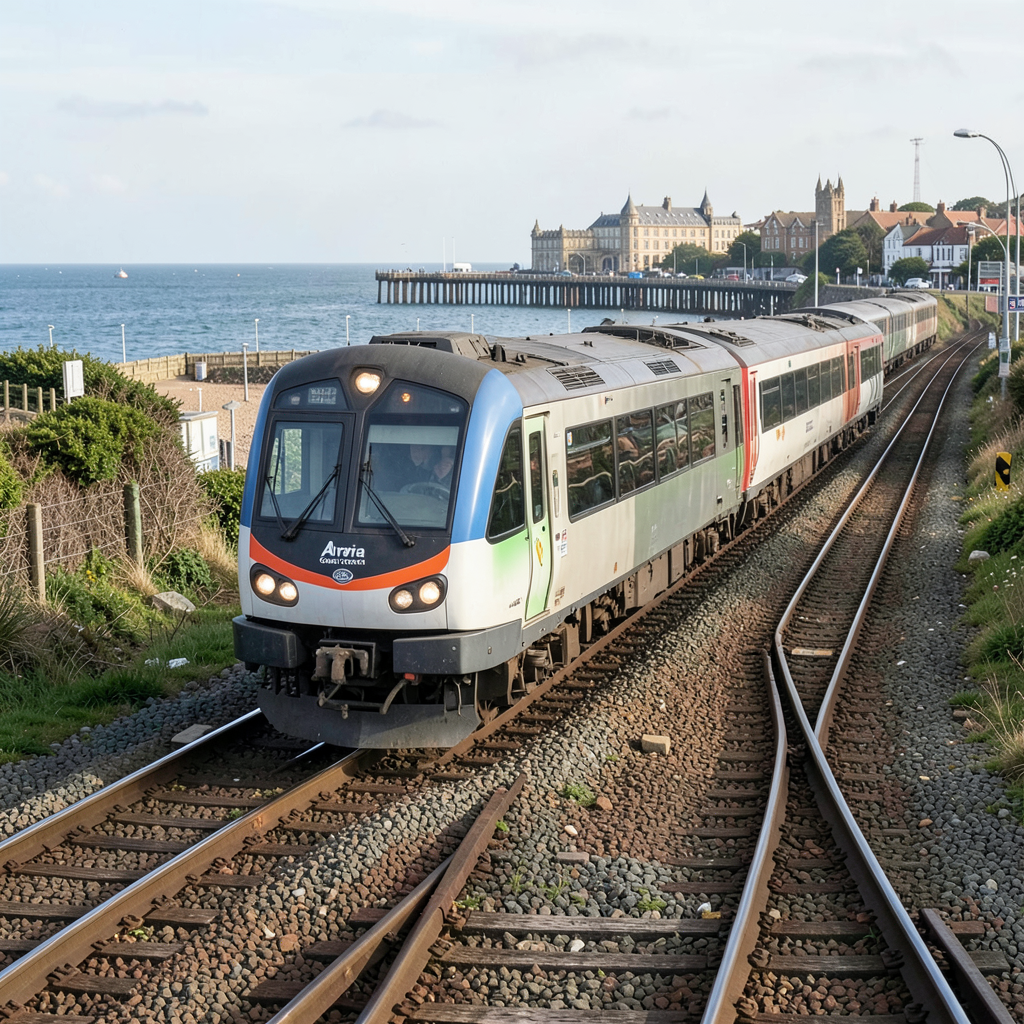
The company has secured an agreement to lease four class 180 trains from Angel Trains to support the initiative.
If regulatory approval is granted, this would establish the inaugural direct rail connection between the North East and the Sussex coastline.
The proposed timetable would provide up to five daily services, offering more than 1,000 seats to passengers.
According to Arriva Business Development Director Craig Nicolson, securing these trains represents a crucial step forward in delivering the proposed connection between Newcastle and Brighton.
Should the regulator approve the plans, communities currently without a direct rail option would gain improved access.
The journey would become more straightforward and appealing for those travelling between the North East and the south coast, including London Gatwick.
Nicolson added that Grand Central has previously demonstrated success in expanding travel options and enhancing connectivity in areas where such services were previously unavailable.
The current proposal would build on this experience while promoting rail travel as an environmentally sustainable substitute for road transport.
The agreement also reflects confidence in the growth prospects for open access rail operations and commitment to investment in Britain’s railway infrastructure.
Under the terms of the arrangement, the four trains would be introduced following a refurbishment programme, contingent upon the route receiving approval.
The rolling stock has been decommissioned for almost three years, and its return to service would create additional economic value throughout the broader rail supply chain, according to Arriva.