
Eastbourne in Sussex has been identified as one of the most attractive destinations for relocation according to a comprehensive assessment of coastal towns across England and Wales.
The analysis positioned Eastbourne fourth overall in its final ranking, with most top-placed towns concentrated in the South East and East of England regions.
Weston-super-Mare represented the sole entry from the South West to appear in the upper tier.
The study gains particular relevance given that the United Kingdom recorded one of its warmest summer periods in recent years during 2026, with demand for coastal residential options intensifying accordingly.
Several other Sussex coastal settlements featured prominently in the assessment results.
Bognor Regis claimed sixth position, followed by Hastings in eighth place, Littlehampton at ninth, and Bexhill securing 12th spot.
These placements indicate the broader appeal of Sussex seaside towns for prospective residents seeking coastal living with access to the region’s infrastructure and amenities.
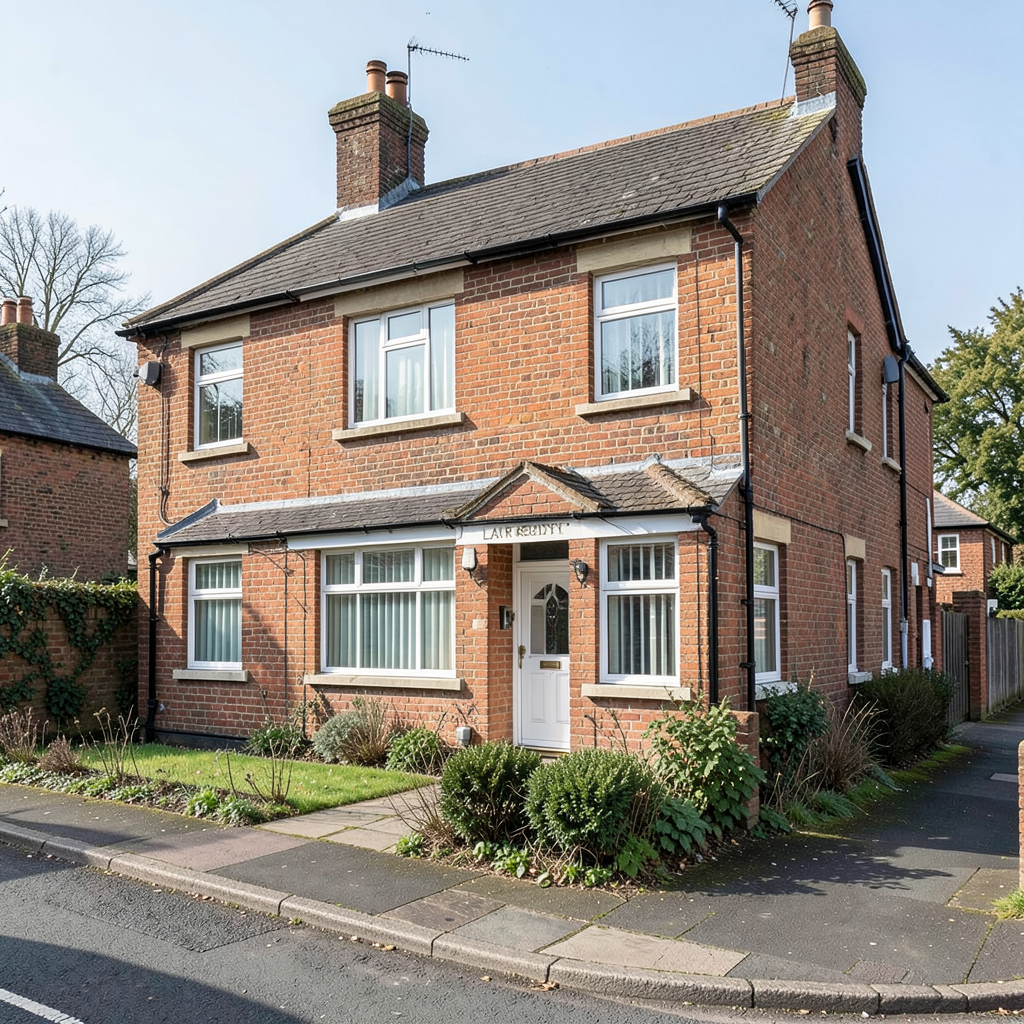
Property market data from Rightmove revealed that residential sale prices in Eastbourne averaged £305,970 over the preceding twelve-month period.
Flats represented the most commonly transacted property type, with an average value of £210,828.
Terraced houses sold for approximately £292,968 on average, while detached homes commanded considerably higher prices at around £453,222.
Transaction values reflected a downward trend, sitting four percent below the previous year’s levels and seven percent beneath the peak recorded in 2022, when the mean price stood at £329,258.
The assessment incorporated additional financial considerations beyond purchase prices, encompassing mortgage obligations, local taxation, utility expenses, insurance requirements, and ongoing property maintenance costs.
Property analysts note that values fluctuate across different neighbourhoods and housing categories within the town.
The town draws interest from those seeking smaller properties, retired individuals, family households, and working professionals.
Significant numbers of newcomers originate from London and surrounding areas of the South East.
Commentary from property industry sources highlighted the town’s combination of seaside location, proximity to rural landscapes, cultural offerings, educational provision, and comparatively favourable pricing relative to nearby Brighton as factors sustaining consistent demand from buyers.
Transportation infrastructure supports these relocation patterns, with rail services operating direct connections to Brighton, Hastings, and the capital, with typical journey times to London extending to approximately ninety minutes.
Road networks link the town to neighbouring areas in East Sussex and Kent, while bus and coach services provide additional local and regional transport options.
Educational facilities serve family residents, while leisure opportunities include the seafront, historic pier, scenic promenade, coastal walking paths, and multiple theatre venues.
Dining and entertainment options range from traditional cafés and public houses to restaurants and waterfront establishments.
The town preserves considerable traditional seaside character through the retention of period buildings, formal garden spaces, and a well-maintained promenade extending along the coastline.