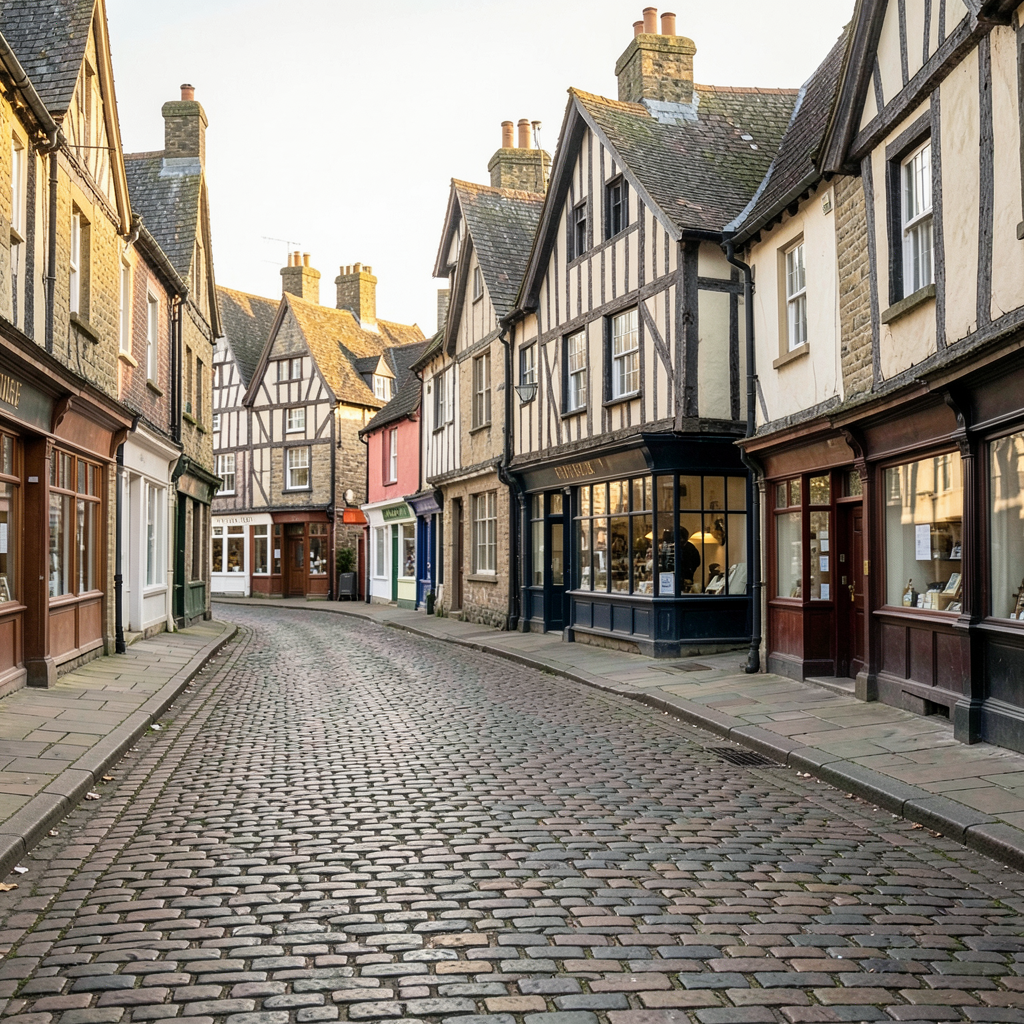

A historic settlement in East Sussex has earned recognition as one of Britain’s most enchanting destinations, situated within easy reach of the capital by road or rail.
Rye has become celebrated for its atmospheric cobbled lanes, period architecture and thriving independent retail offering.
The town frequently appears on lists of England’s most picturesque locations.
The high street draws particular attention from visitors, with its sloping stone surfaces and sweeping views across the Sussex landscape.
Mermaid Street has emerged as a social media phenomenon, accumulating more than 15,000 posts under the associated hashtag and securing its reputation as one of the nation’s most frequently captured thoroughfares.
Recent research by Betway positioned the town at ninth position in a ranking of the United Kingdom’s most storybook destinations, placing it below Hay-on-Wye in Powys.
The community was recognised for its 299 structures bearing listed status, medieval timber-framed residences and heritage attractions that together create an enduringly magical atmosphere.
Among the notable landmarks stands Rye Castle, also referenced as Ypres Tower, which contains the local historical collection.
The establishment preserves artefacts and displays documenting the settlement’s development, while the tower itself provides panoramic vistas across the area.
Admission requires £5 for adults, with those aged under 16 permitted entry without charge.
Along Mermaid Street sits The Mermaid Inn, among the oldest establishments in the neighbourhood.
Although the site’s foundations reach back to 1156, the existing building dates from 1420, reconstructed following a significant fire.
Visitors seeking distinctive lodging can alternatively book stays at a former milling structure, a converted windmill estimated to be approximately 450 years old now functioning as a guesthouse overlooking the surrounding marshland.
The commercial district features numerous family-run enterprises offering antiques, accessories, garments and household goods alongside various eating establishments.
The Cobbles Tea Room provides an array of both sweet and savoury refreshments.
Literature enthusiasts may find interest in Lamb House, previously residence to American novelist Henry James, writer of The Turn of the Screw.
Under the stewardship of the National Trust, the property dates from 1723 and welcomed several distinguished literary figures, notably Virginia Woolf.
The grounds encompass kitchen gardens and commemorative features dedicated to Henry James’s canine companions.
In proximity, Camber Castle offers exploration of a coastal fortification commissioned during the reign of Henry VIII, while Rye Nature Reserve presents walking routes through wetland, marsh and woodland habitats favoured by both ramblers and wildlife observers.