
A medical facility in East Grinstead recorded the third highest number of canine attack victims across England during the most recent reporting period.
Queen Victoria Hospital on Holtye Road managed 408 individuals who required treatment following dog bites throughout 2025.
The data emerged from a freedom of information request submitted to NHS England by John Fowlers solicitors.
Nationally, hospital admissions throughout England for dog attacks or bites totalled 10,808 in 2025.
This figure represents a 29 percent rise compared with 2021, when 8,409 such incidents were recorded.
Among those injured in 2025, 2,225 were aged 65 years or above, while 1,687 were children or teenagers under the age of 18.
The East Grinstead hospital occupied third position nationally for dog bite cases.
Mersey and West Lancashire Teaching Hospital NHS recorded 586 patients, placing it second, while Mid and South Essex NHS Foundation Trust topped the list with 657 patients.
A hospital representative explained that the facility houses the country’s largest hand trauma unit, attributed to the specialised competencies available on-site.
Referrals arrive from hospitals and urgent care services throughout Kent, Surrey and Sussex.
These include individuals sustaining bite wounds to the hands, lower limbs or facial region, alongside those treated through the Minor Injuries Unit.
Such injuries can result in serious and potentially permanent damage, with additional risk of infection.
Specialist teams coordinate with nearby emergency departments and minor injury facilities to ensure patients requiring advanced care are transferred without delay.
Early assessment was emphasised as crucial for achieving optimal results.
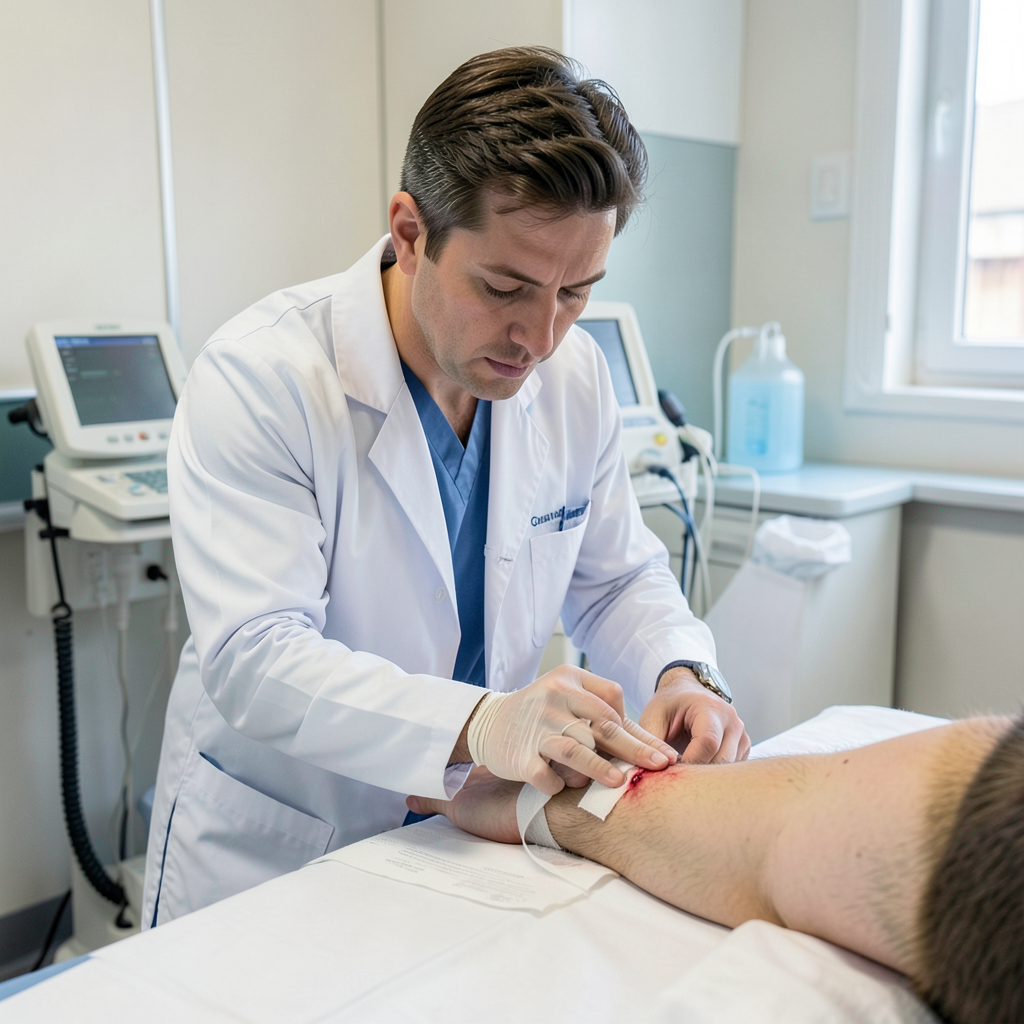
Guidance issued by the hospital recommended that puncture wounds from dogs be irrigated using fresh running water and protected with sterile bandaging.
Professional medical assessment should be obtained, especially for injuries affecting the hands or faces, substantial lacerations, or signs of developing infection.
Henry Nydam, a legal specialist at John Fowlers, advised those affected to begin gathering documentation immediately, irrespective of how minor an injury might initially appear.
The legal expert noted that obtaining appropriate remedy can prove as difficult as the physical injury itself, since keeper liability hinges on individual case circumstances.
Photographic records of injuries should be taken, together with information about the animal, its keeper, any witnesses present and the precise location.
Serious incidents should be reported to law enforcement and legal counsel sought promptly.
Mr Nydam clarified that legal responsibility may attach to a keeper who differs from the registered owner of the animal.
Liability arising from dog bite incidents can extend to both civil compensation claims and criminal proceedings, meaning injured parties might pursue damages while criminal charges could simultaneously be pursued against the keeper.
Relevant factors in determining liability include whether the animal was subjected to provocation, whether trespass occurred, or whether prior warnings regarding the animal’s behaviour were disregarded.