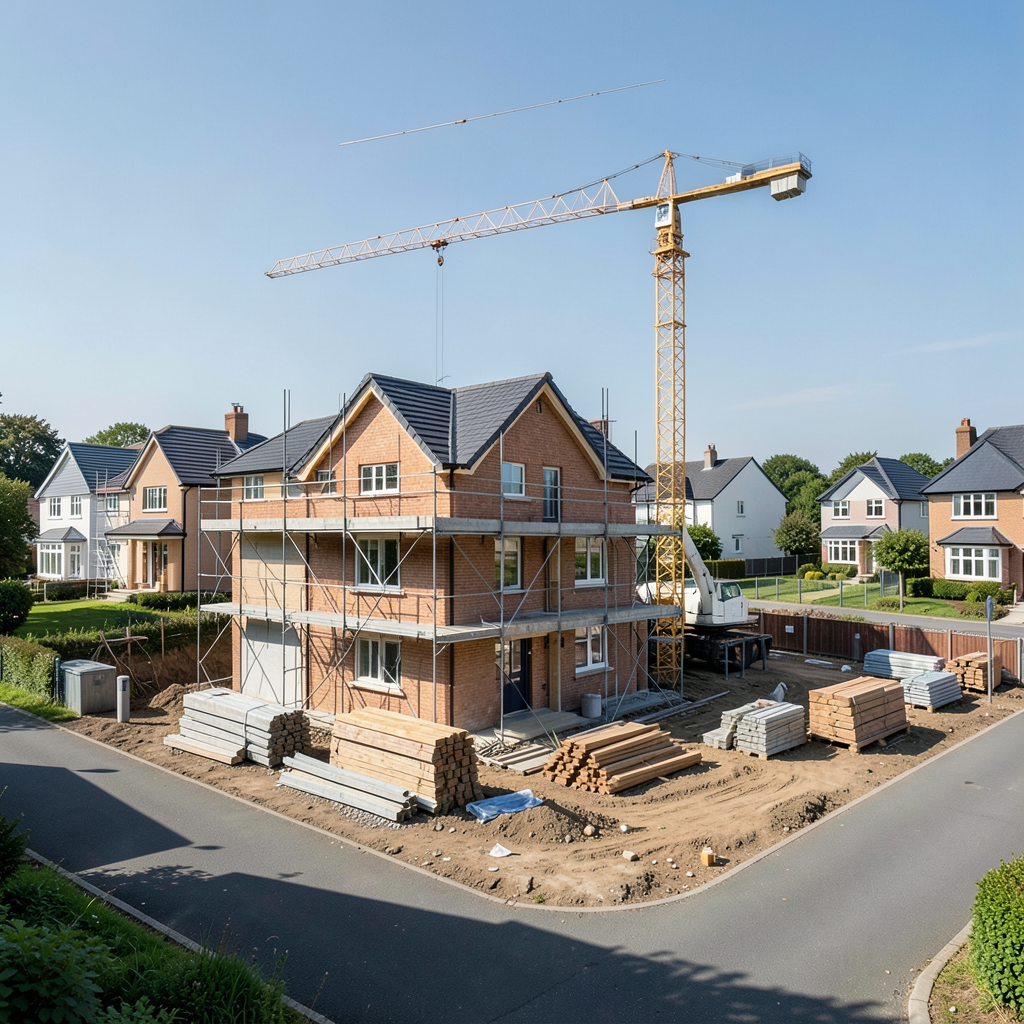

Mid Sussex has been identified as one of the United Kingdom’s most rapidly expanding districts following a significant increase in its resident population.
Official data from the Office for National Statistics reveals the area experienced a 1.5 percent population increase between mid-2024 and mid-2025, marking both the largest numerical growth and the highest percentage rise recorded throughout the county during that period.
The district’s population grew by approximately 2,444 individuals, rising from 161,122 inhabitants in mid-2024 to 163,566 in mid-2025.
This expansion positions Mid Sussex within the top 7 percent of more than 360 local authority regions across the nation.
The district had previously featured among the country’s fastest-growing areas in the preceding year.
Countywide figures indicate that 10 of Sussex’s 13 local authority areas experienced population growth, contributing to a combined net increase of 7,768 residents.
However, three prominent coastal communities experienced declines over the identical twelve-month timeframe, illustrating a pattern of expansion in inland commuter areas alongside contraction in seaside towns.
Brighton and Hove recorded the most substantial numerical decrease within the county, losing 893 inhabitants as its population fell from 285,063 to 284,170, representing a 0.3 percent reduction.
Eastbourne experienced the sharpest percentage decline at 0.4 percent, with 377 residents departing to leave a total population of 103,894.
Hastings similarly contracted, shedding 162 people to reach 90,855 residents, a 0.2 percent decrease.
Other areas within the county demonstrated notable growth.
Arun recorded the second-highest increase in Sussex, gaining 1,634 residents to reach 172,326, while Wealden added 1,532 people for a total of 168,308.
Chichester grew by 1,018 inhabitants to stand at 130,224, and Horsham increased by 945 residents to reach 152,016.
Crawley welcomed 704 additional people, bringing its population to 124,462.
More modest increases were documented across additional districts, including Worthing with 329 new residents, Lewes with 325, Rother with 203, and Adur with 66 new inhabitants.
The population shifts occurring within Sussex mirror broader national trends, as the United Kingdom overall experienced its slowest population growth since 1998, outside the period during the coronavirus pandemic.