
A fresh initiative to safeguard and develop natural environments has been introduced in an area where the majority of waterways fail to meet quality standards.
Arun District Council has unveiled a Biodiversity Action Plan spanning five years, aimed at revitalizing and strengthening the natural environment throughout the district.
The strategy responds to growing concerns regarding environmental challenges including contamination, destruction of natural spaces, and shifting climate conditions.
This arrives at a particularly crucial moment for local waterway health, with most rivers in Arun rated as ‘poor’ or worse.
Environment Agency data reveals that 18 water bodies within the district currently hold “poor ecological status” classification, while an additional two waterways—the Broad Rife and Bremere Rife—carry “bad ecological status” ratings.
Of the remaining water bodies, 17 receive “moderate” classification, with just one, Vann Lake, achieving “good” status.
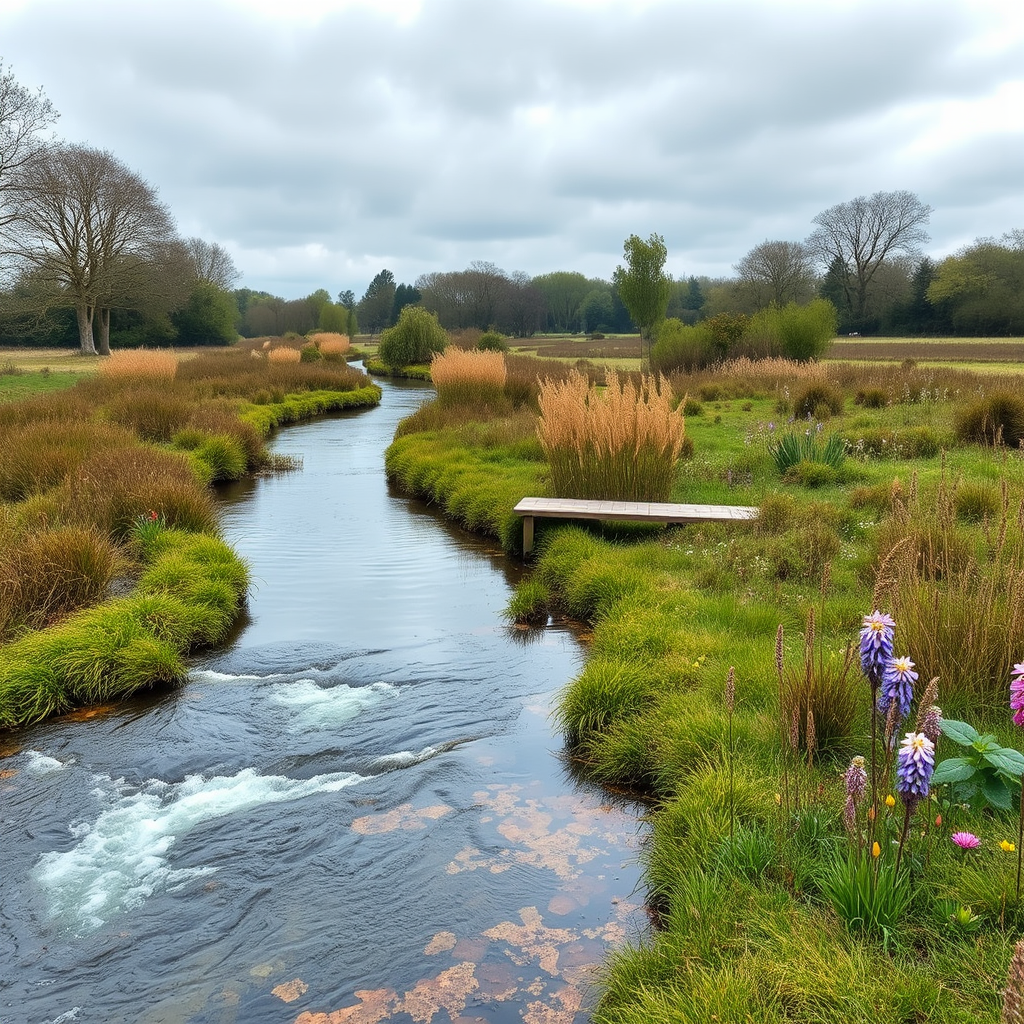
The fresh BAP contains over 50 specific measures, concentrating on enhancing water quality and rehabilitating significant ecosystems like chalk streams, rifes, and coastal wetlands.
Additional objectives encompass preservation of forests, saltmarshes, and wildflower meadows, alongside protection of notable species including water voles, bats, and hedgehogs.
The strategy aligns with national and regional frameworks including the Environmental Improvement Plan, Biodiversity Net Gain, and the West Sussex Local Nature Recovery Strategy.
It also promotes community participation through wildlife-friendly gardening, citizen science projects, and local conservation activities.
For council-managed land, proposals involve increasing wildflower meadow areas, establishing pollinator-friendly plantings, expanding tree coverage, developing habitat reserves, and enhancing water management systems.
Alongside water quality enhancements, the BAP seeks to assist Arun in reaching the national 2030 species recovery goals and represents a component of the council’s wider environmental and climate commitments.